

Postpartum
Your Postpartum Recovery
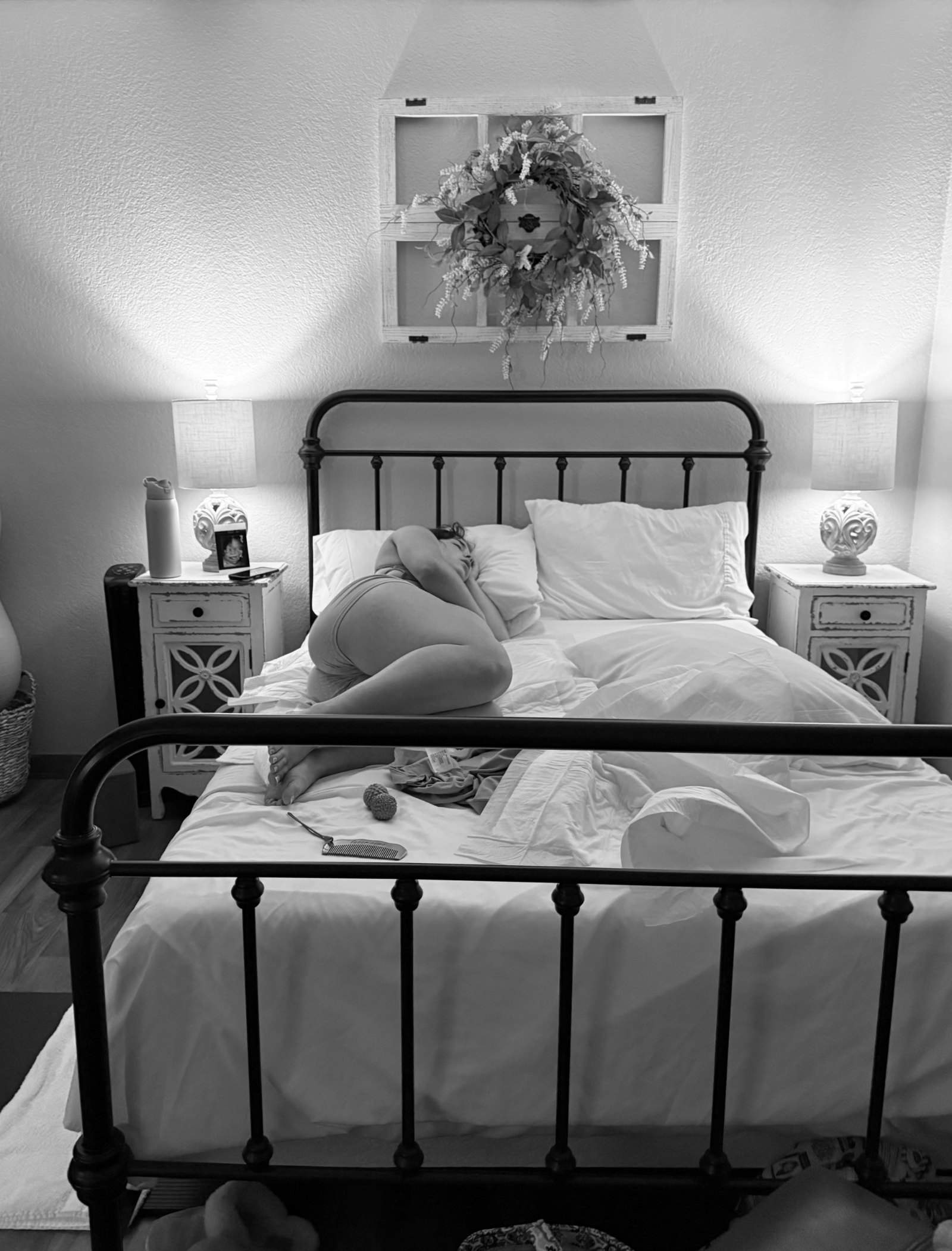
Recovery is real, and it takes time
Whether you birthed vaginally or by cesarean, your body has done something enormous and needs time to heal. Bleeding, cramping as your uterus contracts, sore muscles, tender breasts, and deep fatigue are all common in the early weeks. Healing isn't linear, and comparing your timeline to anyone else's rarely helps.
The old wisdom across many cultures (rest close to home for the first weeks) exists for good reason. Slowing down now supports your healing for months to come.
Protect your rest
Sleep will be broken, so rest has to be gathered in pieces. Lower the bar on everything that isn't you, your baby, and your healing. The dishes can wait; this window cannot.
Small ways to guard your rest
- Rest when the baby rests, even if it feels unproductive
- Keep water, snacks, and anything you reach for within arm's reach
- Say yes to specific help: a meal, a load of laundry, an hour of quiet
- Limit visitors in the early days, or let them help rather than be hosted
You don't have to earn your rest. Healing is the work right now.
Feed your healing
Nourishing, warm, easy-to-eat food supports recovery and milk supply if you're breastfeeding. Keep simple meals and snacks on hand, stay hydrated, and accept every offer of a dropped-off dinner. This is not the season for restriction.
Tend your emotions, too
The early weeks can bring waves of emotion: the so-called baby blues are very common in the first two weeks as hormones shift. But if sadness, anxiety, anger, or numbness deepens, lingers beyond two weeks, or makes it hard to function, that may be a perinatal mood disorder, and it is both common and treatable. Reaching out is a sign of strength, never failure.
Let yourself be supported
This is exactly what postpartum doula care is for. I help nurture the fourth trimester: practical support so you can rest, a knowledgeable ear for feeding and recovery questions, and steady reassurance that what you're feeling makes sense. You should be cared for, too, not just the baby.
Continue exploring
With care,
Wendy