

Birth
Do You Need a Doula for a Hospital Birth?
What new 2026 research tells us about doulas, medical teams, and better-supported births.
The short answer
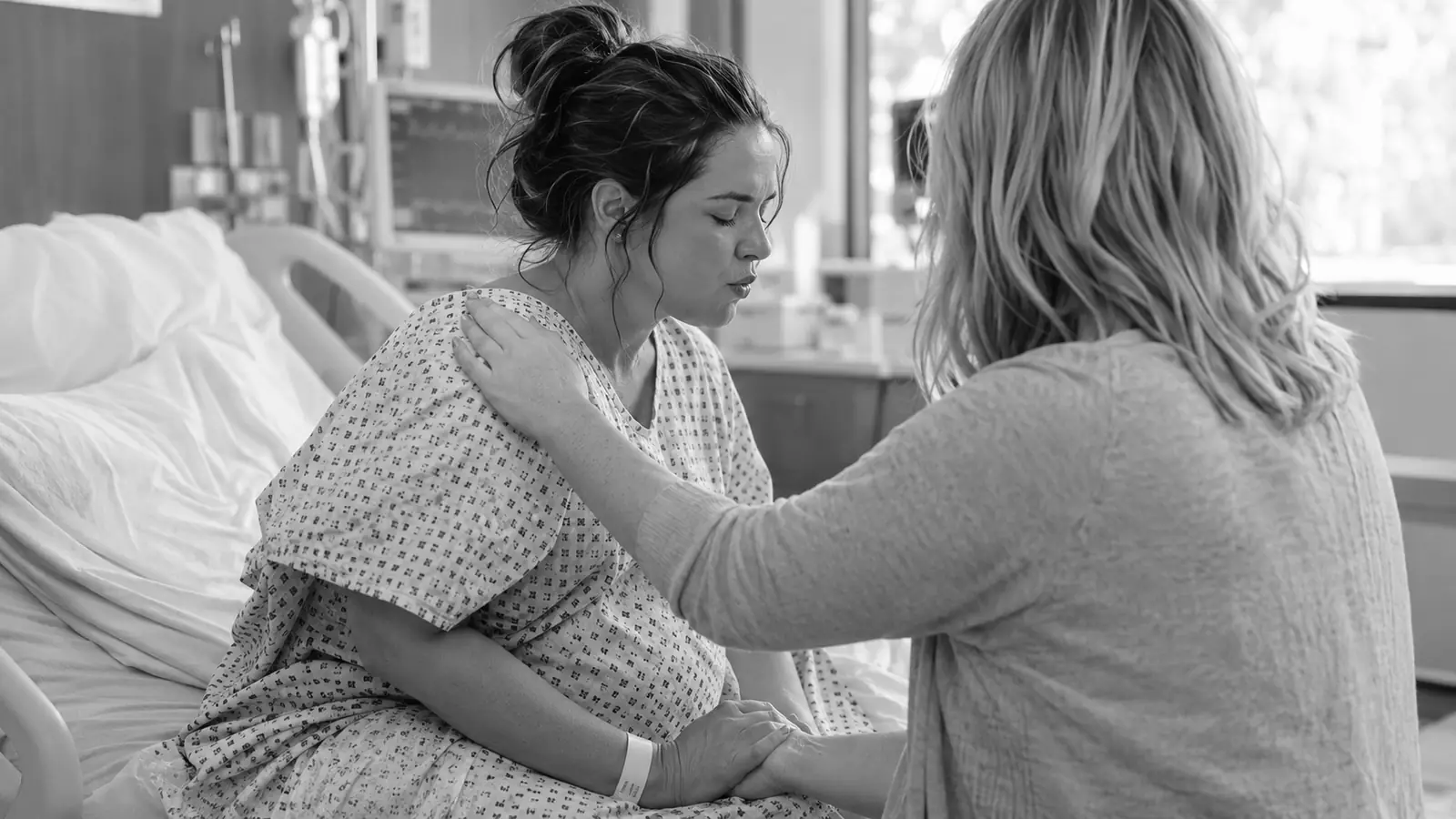
A doula is not medically required for a hospital birth, but she offers a different kind of support. Your clinical team monitors your health and your baby's health, recommends treatment, and provides medical care. A birth doula focuses on your physical comfort, emotional wellbeing, and understanding of what is happening. These roles do not compete. They can work alongside one another.
What the 2026 research actually found
The October 2026 systematic review brought together evidence from 12 randomized controlled trials and 18 nonrandomized U.S. studies comparing doula support with standard maternity care. It found moderate-certainty evidence that doula support was associated with lower rates of cesarean and preterm birth, more positive birth experiences, and greater attendance at postpartum appointments.
The review also identified possible benefits, supported by less-certain evidence, for
- Breastfeeding initiation and some feeding-related outcomes
- Perceptions of respectful care and satisfaction with care
- Confidence during pregnancy and early parenthood
- Other outcomes, including aspects of labor and postpartum adjustment
These results do not mean hiring a doula will prevent a cesarean, shorten labor, or guarantee a particular outcome. The studies covered different models of doula care and different stages of pregnancy and birth; many had a high risk of bias. In fact, the review noted that none explicitly examined private, independently operating doulas. It is encouraging evidence for the broader role of doula support, not a prediction about any individual birth or a guarantee of results from Haven.
That distinction matters. The most useful question is not whether a doula can promise a particular outcome, but whether continuous, individualized support would be valuable to you.
Why are medical organizations encouraging doula partnerships?
ACOG's July 2026 guidance, Partnering With Doulas in Clinical Settings, addresses how clinicians and doulas can collaborate more effectively. It recognizes the complementary value of nonmedical physical, emotional, and informational support alongside medical care.
During labor, a nurse may be caring for more than one patient, staff may change shifts, and an obstetrician may enter the room at specific points rather than stay throughout. A doula can offer a more consistent presence, especially when you have spent time getting to know each other before labor begins. That continuity is not a substitute for clinical expertise; it helps you feel supported alongside it.
What does a doula actually do during a hospital birth?
Sometimes the support is physical: helping you change positions with your care team's guidance, offering counterpressure, suggesting comfort measures, or making the room feel calmer. Sometimes it is informational. If an intervention is being discussed, your doula can help you put your questions into words and make space for you to understand the recommendation.
And sometimes it is simply having someone present who knows your preferences, remembers what matters to you, and can keep her attention on your experience. Your doula does not interpret medical findings, make clinical decisions, or speak over you. The goal is to help you participate in your own care.
What if you're planning an epidural or induction?
Doula support is not reserved for unmedicated births. An induction may involve waiting, adjusting, and revisiting decisions over many hours. A familiar support person can help you stay comfortable and involved as the plan unfolds.
An epidural does not mean the need for support ends, either. You may want help with positioning approved by your care team, communicating your preferences, resting between assessments, or understanding what comes next. A doula's value is not measured by how little medical intervention you have.
What if your birth becomes a cesarean?
It is worth discussing this possibility before labor, even if you do not expect a cesarean birth. A doula can help you prepare questions, talk through general expectations, and feel supported if plans change.
Whether she can accompany you into an operating room depends on hospital policy and clinical circumstances. Support may instead happen before surgery or afterward in recovery, so confirm the rules at your chosen hospital. A change in how your baby is born does not mean the emotional side of your experience matters any less.
What about your partner?
A doula does not replace your partner. Your partner knows you in ways no professional can, but may be encountering birth for the first time, may have questions, and may need reassurance, too. A doula can suggest ways for partners to participate and offer them an opportunity to take a break without leaving you unsupported. The aim is to strengthen the people already in your corner.
Planning a hospital birth in New Braunfels?
If you are considering CHRISTUS Santa Rosa or Resolute Baptist in New Braunfels, ask about support-person policies during your labor and delivery tour. How many people can accompany you during labor? Does a doula count toward that number? What happens if a cesarean becomes necessary? Policies can change, so confirm the current rules directly with the hospital rather than relying on an old account online.
Our guide to questions for your labor and delivery tour can help you prepare for those conversations.
So, do you need a doula for a hospital birth?
There is no single answer for every family. Some people feel supported by their partner and hospital team alone. Others value having an additional person whose focus stays on their experience as labor unfolds.
At Haven, I provide birth support for families in New Braunfels and the surrounding Hill Country, working alongside their chosen medical teams. We spend time together before labor so that, on the day, we are not meeting for the first time in a hospital room. If you would like to talk through whether that kind of support fits your plans, a free consultation is a place to start.
This article discusses population-level research and general, nonmedical doula support. No particular birth outcome is guaranteed. Your healthcare team is responsible for clinical decisions and care; ask your chosen hospital about its current policies.
With care,
Wendy