

Partners
Support for Partners
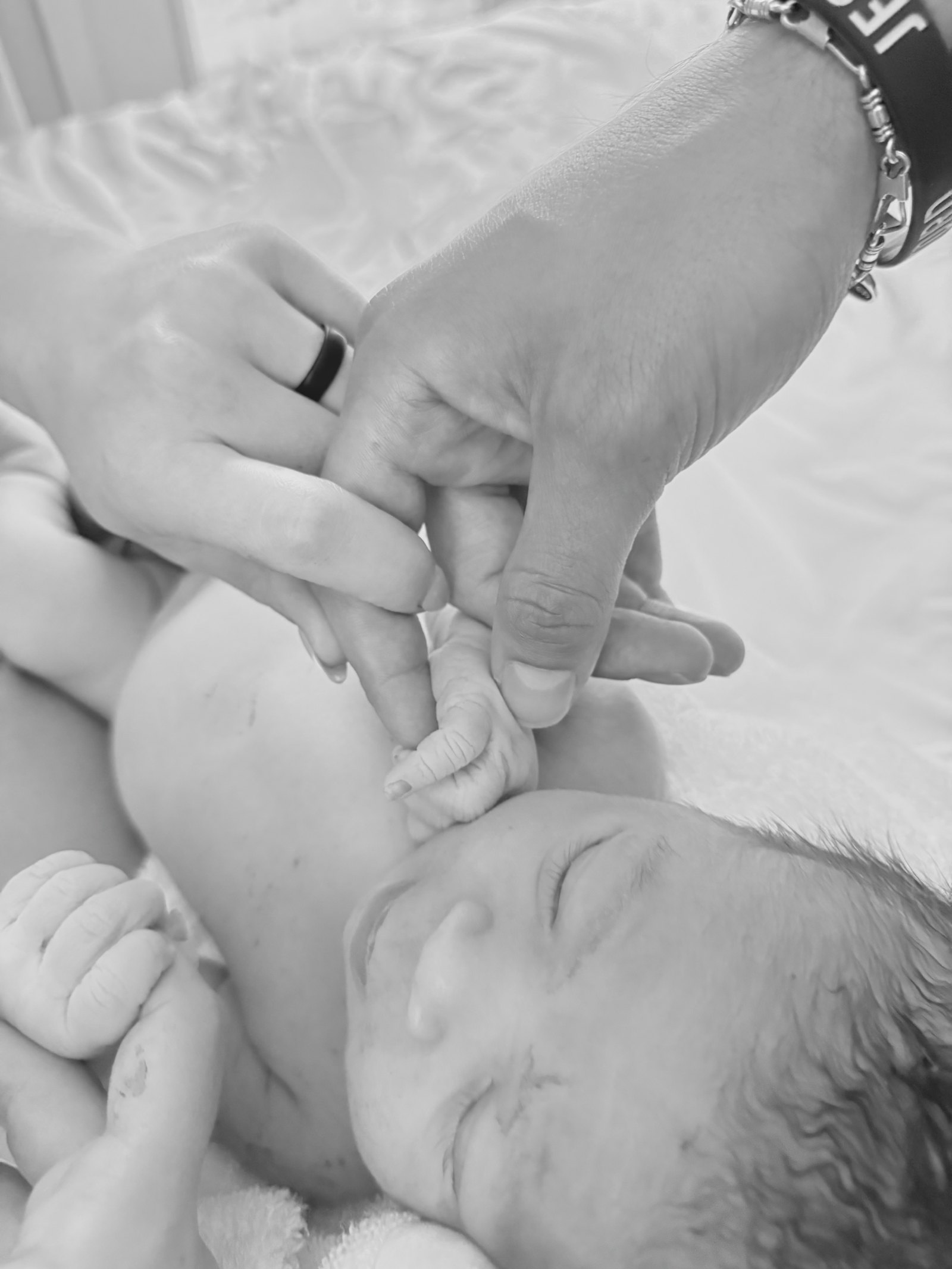
You are not a spectator
During labor, your calm is contagious. You know your partner in a way no one else in the room does, and your steady presence (a hand to hold, a familiar voice, an advocate when she's deep in the work of labor) is genuinely powerful. You don't need to have all the answers. You need to be there.
Ways to help during labor
- Offer steady physical comfort: counter-pressure, a hand, a cool cloth
- Keep her hydrated and remind her to change positions
- Be a calm voice, and help communicate her wishes to the care team
- Protect the mood of the room: lights, quiet, who comes and goes
The early weeks are a team sport
Once you're home, the most helpful thing you can do is take ownership of everything that isn't recovery and feeding, so she can heal. Think of yourself as the gatekeeper and the engine of the household for a while.
She grows the baby and recovers from birth. You can grow everything else around her for a while.
Ways to help at home
- Take night duties you can own: diapering, burping, settling
- Manage meals, dishes, laundry, and the flow of visitors
- Bring water and food to wherever she's feeding the baby
- Watch for the hard days, and check in on how she's really doing
Mind your own becoming, too
Partners go through their own transition into parenthood. It's normal to feel overwhelmed, left out, or exhausted. Your wellbeing matters, and taking care of yourself (sleep, a break, a conversation) makes you better able to support your family.
A doula supports you both
One of the quiet gifts of doula care is that it doesn't push you aside; it frees you up to be present. I can show you comfort techniques, take a turn so you can rest, and make sure you never feel like you're navigating this alone. We're on the same team, and that team is for her.
With care,
Wendy